Conservation Lower Zambezi (CLZ) – Summary
Conservation Lower Zambezi (CLZ) is a non-governmental organization working since 1994 to protect wildlife and ecosystems in the Lower Zambezi alongside the Department of National Parks and Wildlife (DNPW).
Our work focuses on four key areas:
Wildlife Protection: At the heart of CLZ’s work is wildlife protection.In collaboration with DNPW, teams of Wildlife Police Officers and Community Scouts conduct regular foot patrols across the landscape, deterring poaching and monitoring wildlife populations. Specialized units, including the Dog Unit, Marine Unit, Rapid Deployment Team and legal strengthen response capabilities support to ensure wildlife crimes are prosecuted.
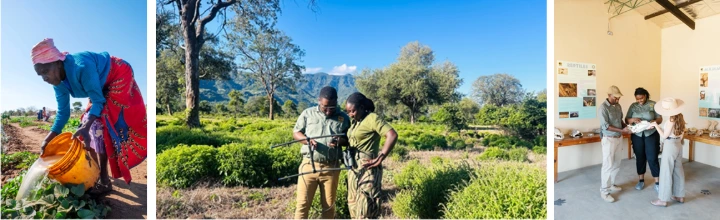
Environmental Education: Through its Environmental Education Programme (EEP), the organization works with conservation clubs in 65 schools across the Game Management Areas (GMAs) surrounding Lower Zambezi National Park.
Students are given the opportunity to visit CLZ Base Camp, where they gain hands-on exposure to conservation work while also receiving essential information on health, sanitation, and HIV/AIDS awareness. Outreach programs extend into communities, providing environmental education materials and supporting young conservation leaders.
Community Empowerment: Communities are key partners in conservation. CLZ works closely with Community Resource Boards (CRBs) to address challenges such as Human-Wildlife Conflict (HWC), helping to protect both livelihoods and wildlife. By collecting data on HWC incidents and facilitating communication between communities and wildlife authorities, CLZ contributes to practical, long-term solutions.
Research & Monitoring: To guide effective conservation, CLZ implements a robust Research and Monitoring Programme focused on key species such as African lions, elephants, and painted wolves (African wild dogs). This work fills a critical research gap in the Lower Zambezi, where historically limited ecological data has been available.
Overall, What sets CLZ apart is its integrated approach—combining wildlife protection, education, community empowerment, and scientific research. Each programme supports the others, creating a comprehensive conservation model that addresses both environmental and human needs.
As pressures on natural ecosystems continue to grow, organizations like CLZ play a vital role in securing a sustainable future for Zambia’s wildlife and communities. Through collaboration, innovation, and commitment, CLZ is helping to ensure that the Lower Zambezi remains a thriving landscape for generations to come