Skip to Content

Mulungushi Dam and Mulungushi Boat Club History by Caroline Hoddell

April 21, 2026 by
WebEditor
| No comments yet

People have been living in the area around the Mulungushi River and Kabwe for hundreds of thousands of years. The discovery of the “Broken Hill” or “Kabwe Man” skull by Arthur Smith Woodward in 1921 and which now resides in the Museum of Natural History in London, UK, dates from 324,000 to 274,000 years ago is testament to that. “It was the first representative of an extinct human relative to be recognized in Africa. The find would set the stage for a series of discoveries from the continent during the 1920s through the 1950s.”1
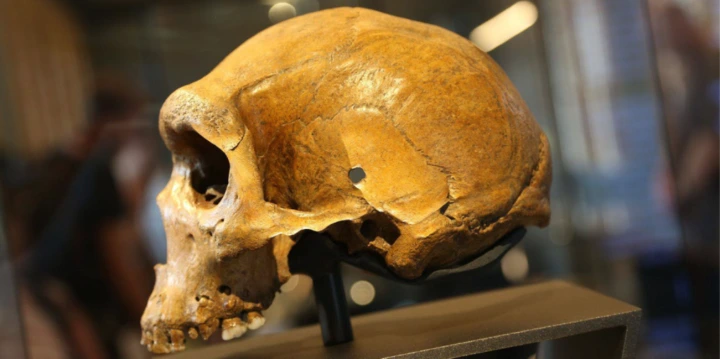
The Kabwe skull. Photo: John Hawks

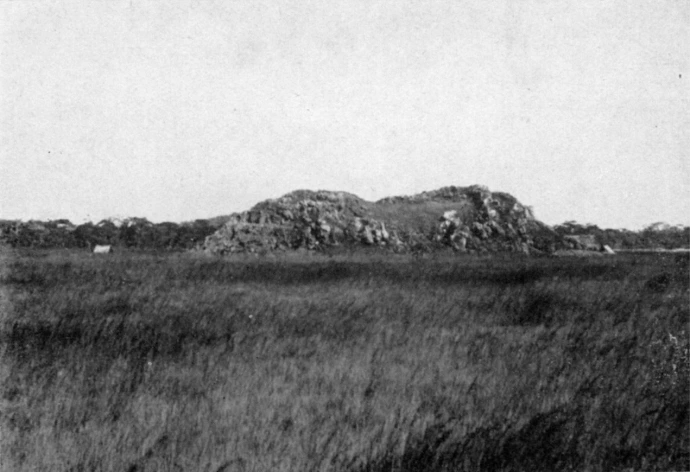
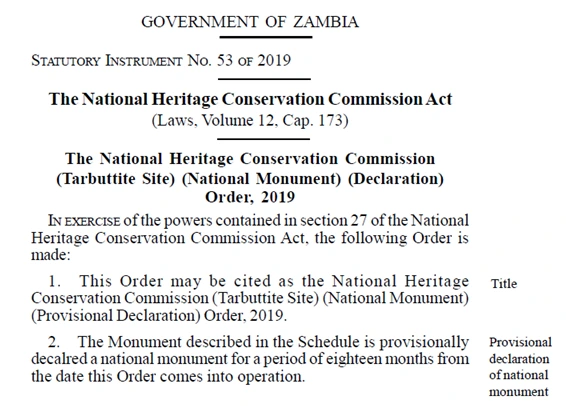
The skull was found in 1904 in a cave that was full of rich ore, in what was then called the Bone Cave and the richness of lead and zinc primarily plus the world’s first discovery of tarbuttite (a rare phosphate mineral), brought the British colonial government prospectors and miners and by the end of 1921 sadly there was nothing left of the small hill or kopie, where the cave was located, however, close by to the kopie was where the birth of the mining town of what was then called Broken Hill, and now known as Kabwe, was founded and there was a provisional Zambian National Monument Gazetted site nearby. 2


Kopie No. 1 at Kabwe as it appeared when mining began in 1904. Photo by H. Bokenham, published by J. Desmond Clark (1959)


There some evidence close to the Boat Club, that the ancient people who were nomadic hunter-gatherers, lived and hunted in and around, with rock art in some secluded locations, but the wider area has been little explored but it seems highly likely that there are more discoveries to be found. Links with the “Wonder Gorge” area to the north east and downriver into the Luano Gorge and valley, linking through to the Lunsemfwa/Mwomboshi catchment which in turn flows into the Luangwa River and then on to the mighty lower Zambezi water system.
In 1906, a report in the London Critic Illustrated News, states “That the great expectations formed in connection with the future of the Broken Hill mine of Rhodesia are founded upon facts there is accumulating evidence to attest. The field consists of a number of kopjes (sic) which have only to be quarried for the zinc and lead ore which they contain. Of this ore...there is at least three-quarters of a million tons in sight, and proved, going down to the water level....The first trial shipment of zinc was despatched from Beira to Swansea the other day.”3
As a result of the rich ore finds in the early 1900s, the Mulungushi Dam was built. It lies to the south-east of Kabwe and the rockfill dam and associated hydro power project was started by the Broken Hill Development Company in the 1920s. The dam was needed to provide power to the growing mining operations in Kabwe and coming in at an estimated cost of £150,0004 (approximately equivalent to $17 million in 2026) and officially opened in 1925 by HRH Prince of Wales and soon to be King Edward VII, “when he motored 44 miles (71kms) over very dusty roads to Mulungushi hydro-electric scheme.”5 The Prince was presented with a small model of the hydro project and he observed that “this was no small achievement to have converted a narrow river in the heart of Central Africa into a mighty lake”6. This was the culmination of the Prince of Wales’s tour of South Africa, Zimbabwe (Southern Rhodesia) and Zambia (Northern Rhodesia) and luncheon was served in the picturesque slopes “on the edge of a sheer gorge, 1,100 feet (335 metres) which the pipeline drops to the power station”7 and was attended by the largest gathering of Chiefs in Zambia and the Governor of Katanga from Congo also attended and had travelled there by rail. Thus one of Africa’s old hydro power station was born.
The Mulungushi River flows through this rocky area where the plateau ends and drops into the deep valley system of the Luano Valley. It was decided by the colonial engineers this was the best place to build what is a relatively small rockfill dam with only a narrow opening and drop into the valley being narrow and significant.
The body of water that is formed by the Mulungushi Dam is approximately 20 kilometres long and is around 1.5 to 2 kilometres at it’s widest point when at capacity and generally with a reliable rainfall, although this has also been affected in the last 10-15 years with the effects of climate change and lower rainfalls experienced overall.
The Dam also provides reliable water to downstream communities and farming enterprises.

The Mulungushi Power Station, now owed by Lunsemfwa Hydro Power Company still operate the large orange-painted, old turbines built in the United Kingdom by Metropolitan Vickers Electrical Co Ltd.
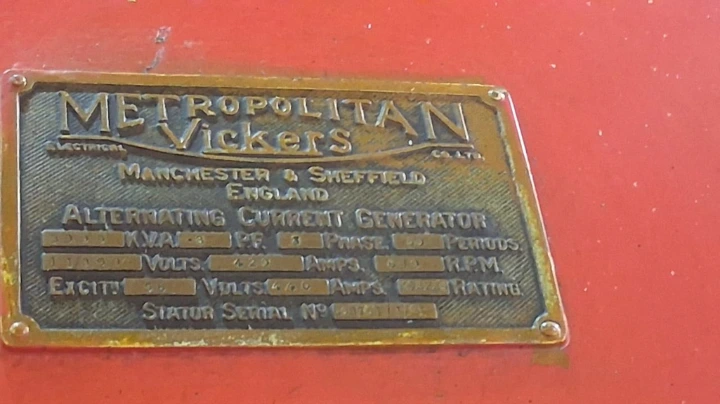
Access from atop the plateau down to the power station is via a “skip” or “dolly” open rail car going down at a 37 degree angle into the 355 metre deep gorge; Not for the faint-hearted! Greg Mills and Dickie Davies say “The tenacity, foresight, engineering and dedication required to build the Mulungushi plant all those years ago is breathtaking” when they re-visited the hydro station for a second time in 20168.
In 1925 there was just one 2.5 megawatt turbine. Two more 6.2MW units were added two years later, and a fourth 8MW turbine in 1941 when the zinc, lead and silver Broken Hill Mine was in full production.
The Kabwe (Broken Hill) Mine was closed in 1990. Twelve years later the two hydro plants feeding the mine were privatised and sold to the Lunsemfwa Hydro Power Company, becoming, at the time, the only private provider of power to the integrated grid of the Southern African Power Pool.
Mulungushi Boat Club
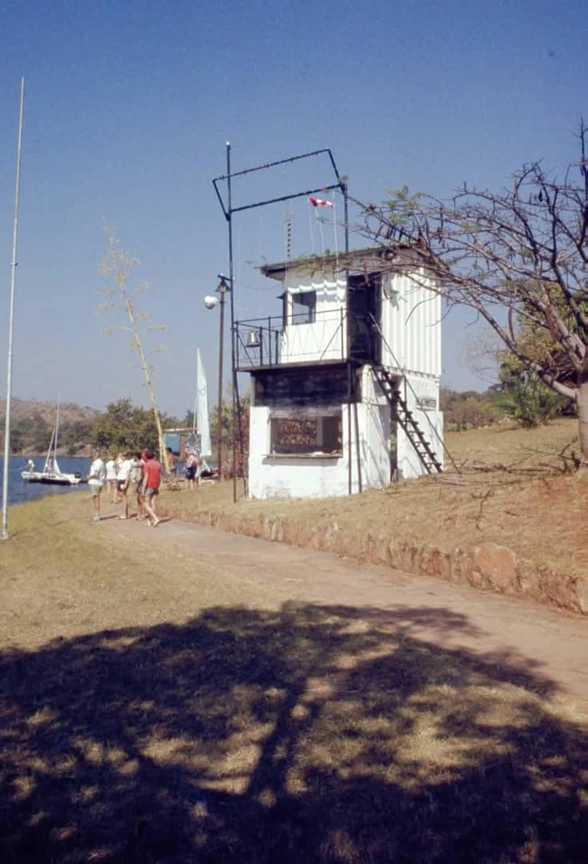
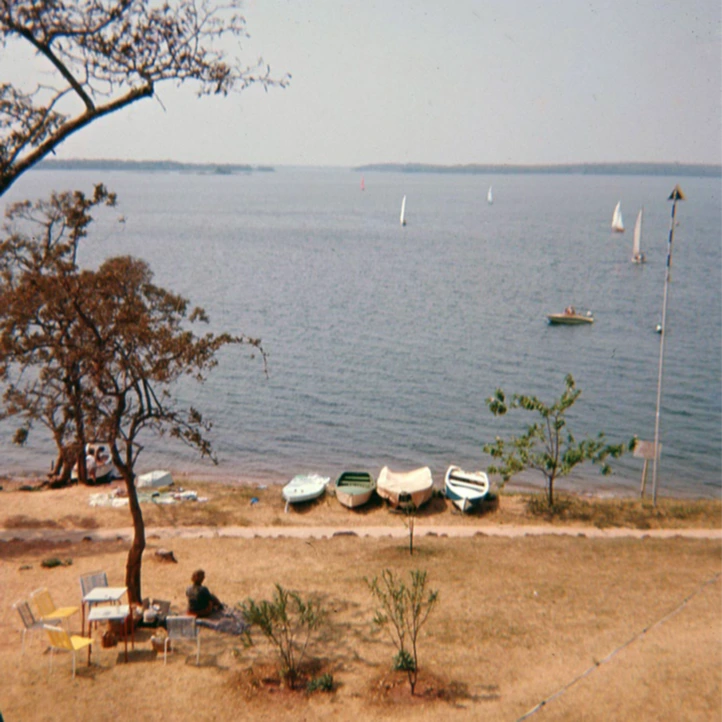
The contractors involved with the construction of the dam used the club site originally as their base during the building of the dam and The club was started by a band of watersport enthusiasts in the late 1940’s and the first clubhouse was the present boat shed. The present clubhouse was built during the 1950’s with, generous donations from the Rhodesia Broken Hill Development Co Ltd, (the initial owners of the Mine in Kabwe) and later on Anglo-American and the companies who were constructing the Lunsemfwa power station and the owners of GI mines who were mining gypsum at Kampumba.

The members of the club assisted in the construction by forming working parties on the weekends to install the plumbing, lighting and other ancillary works. During the 1950’s the Club purchased the existing rondavels from Rhodesia Railways and these were erected by the members.

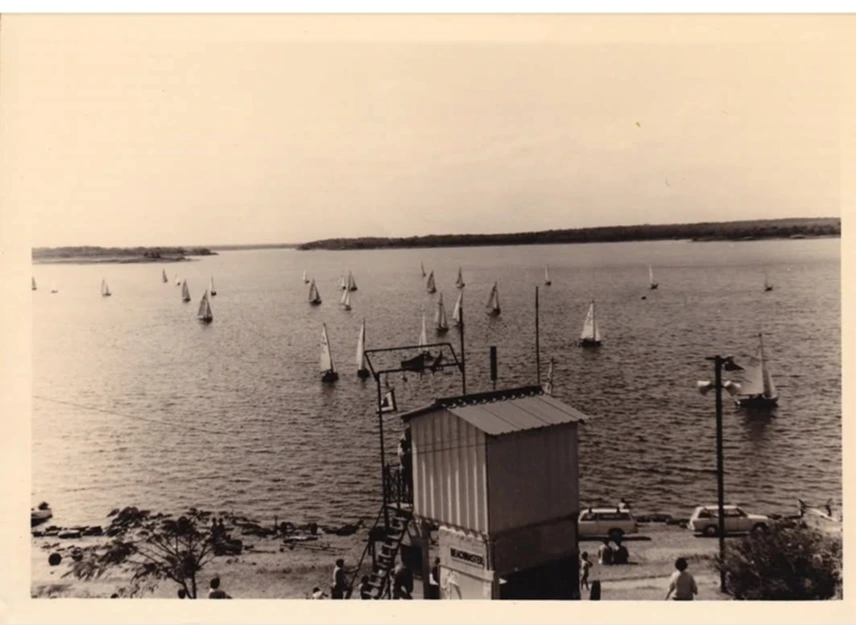
In the 1960’s and 1970’s the club was a popular weekend retreat for both mine employees and Broken Hill residents with sailing regattas held every year. On long weekends there were always visitors and members from outside Broken Hill.
From the 1950’s to the early 1980’s the Club was a hive of activity with fishing competitions, national regattas, and even para sailing. There were sufficient Kabwe-based members who owned sailing boats to have sailing races most Saturday afternoons and Sunday mornings. It was during this time that the club first allowed members to build their own private chalets. Most of the existing private chalets were built in the late 1970’s and early 1980’s. It is now hard to believe that during the 1970’s the best attendance at the Zambia National Sailing Regatta which was held at Mulungushi was 140 plus sailing boats. Mulungushi Dam is known for some of the best sailing conditions in the region.
During the years of UDI , the Zimbabwean freedom fighters had a training camp just past what is known as Crocodile Island, or “the gap” and therefore members were initially not allowed “through the gap”. The club was eventually taken over by the Zambian army and declared a restricted area and the club remained closed for many years.
Even after the closure of the mine and the sale of the mine assets, the mining company initially included all the club grounds in the sale of the Dam and power station, but fortunately for the club members the purchasers were not able to come up with the payment and when it was re-advertised the mining company excluded the club grounds and the club put in a successful offer for the purchase of the club on behalf of the members in 19969
The Club has also had a chequered past when the Zambia Army used it as a base to hunt out the Mailoni Brothers who had gone a rampage of theft and murder from 27 April 2007 through to 2013 in the Luano Valley area. They were three brothers, Mika, Stephano and Fabian (alias Tunda) and they were suspected to be behind the killing of 12 people. Some of the victims were members of their own family.
Born in the remote and inaccessible Luano Valley, to their mother, Janet Njimu, and an un-named father, they were four brothers with the eldest three turn to violence possibly due to the isolation of their environment and lack of education and social opportunities. With dreams of becoming entrepreneurs their first violent act was to turn on their youngest brother, Nelson, and badly beaten and the deadly violent killing spree began from there.

Terrorizing the Mkushi-Serenje area of Luano Valley, the brothers’ victim count rose over the years to the point where their mother was forced to flee to Kawasaki Village (just outside of Kabwe) for fear of her own safety with the looming threat of assassination attempts aimed at her.

Some people would ask why it took the might of the Zambia Army so long to find these men but a visit to Mulungushi Dam and the Luano Gorge will amply show that the nature of the terrain and the three brothers’ local knowledge and what must have been hunting and tracking know-how, meant the Army had their work cut out. The Unit (3 Mechanised Battalion from Chindwin Barracks in Kabwe) was deployed in Luano Valley and based themselves at the Mulungushi Boat Club during deployments of Task Forces (between 2011 and 2013) and the challenges they had to contend with on the ground were formidable.
Eventually the three elder brothers were cornered and gunned down, the Malioni brothers were only armed with spears, may have been disproportionate against the physical threat they posed to the Army, but their end came to them brutally and abruptly in 2013.

The Club Now
The Mulungushi Boat Club is now returning to its former glory and has become the venue of Zambia’s longest continually running mountain bike event for the last 15 years. With the rugged dolomite/limestone terrain, stunning views over deep valleys, along the gorge in ancient riverine forest, this makes the Club and the neighbouring environs a calm and relaxing place to stay.
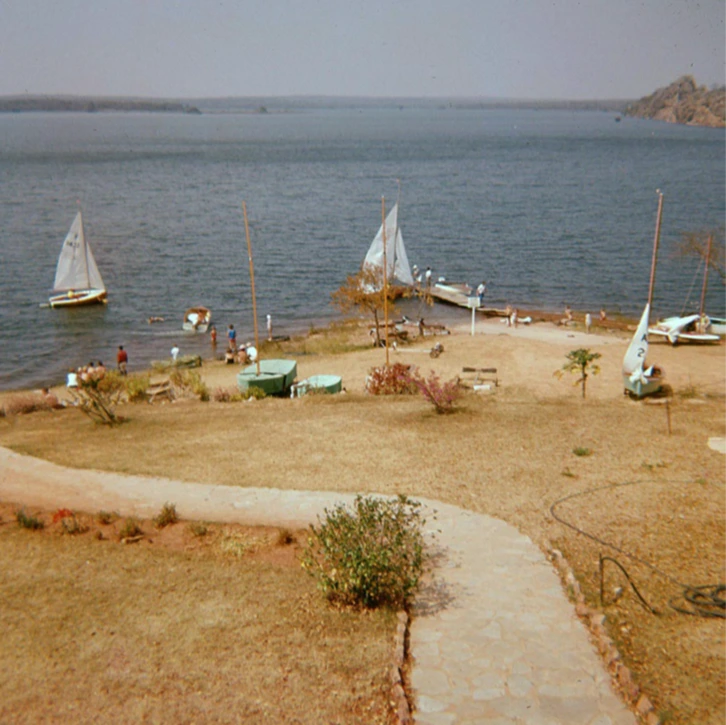
The Clubhouse is still open and has an amazing second storey view of the dam and the Club grounds. The old rondavel cottages are being renovated and replaced where necessary and there’s activity at the Club most weekends.
Fishing is also thriving and black bass and crayfish are in the Dam, just waiting to be caught!
For the more adventurous there are up to 60kms of MTB trails, with a stunning trail taking you to the Mulungushi waterfall (best time to visit is March through to May) and expansive views over the Luano Valley and the 355metre drop! Other trails suitable for both MTB, trail running and hiking have river crossings, long flowing trails through untouched miombo and riverine forests and also take you under the wonderful aqueduct, still operational after all these years, taking water to the hydro power station turbines.

For any Mulungushi Club membership enquiries, please send to The Secretary, Lesley Ann Borman, bormanlesleyann@gmail.com


You can follow The Mulungushi Boat Club on Instagram and Facebook


in News
WebEditor April 21, 2026
Share this post


Tags
Our blogs
Archive
Sign in to leave a comment